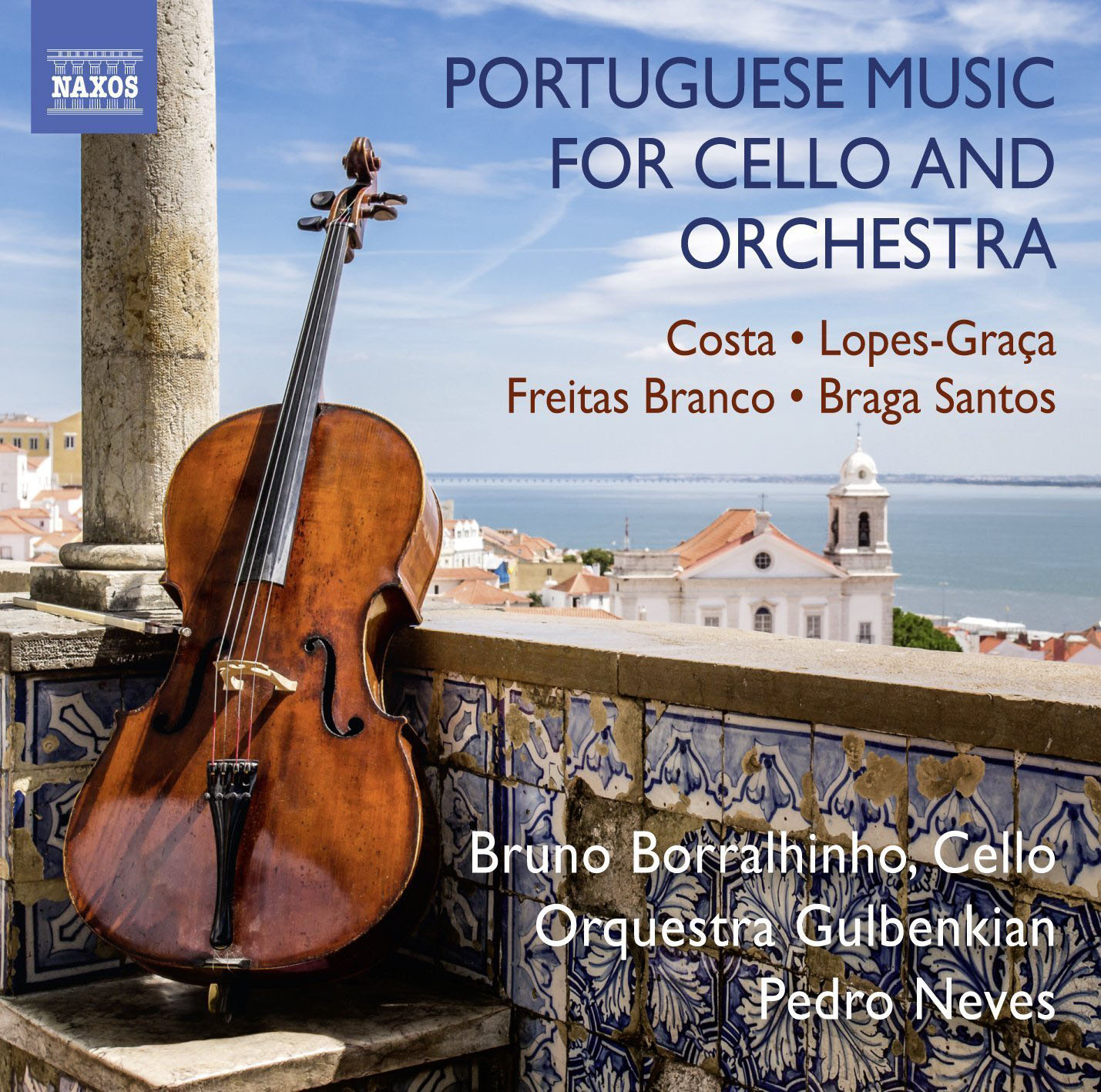
This is modern (ish) music and we weren’t sure what to expect but if you’re thinking clichéd traditional music, you’re in for a surprise. It’s all modern and traditional European.
Opening piece Poema, by Luiz Costa (completed and orchestrated by Pedro Faria Gomes) sounds pastoral and English, the cello of Bruno Borralhinho playing under a birdsong-like violin. It’s not quite Vaughan Williams but it could be the soundtrack to a twee English film from the 1950s.
The next piece comes from Fernando Lopes-Graça and marks a change in tone. The composer was a critic of António Salazar, the authoritarian leader of Portugal until 1974, who used censorship to curtail critics. The three-movement Concerto da Camera is more dissonant and jarring, interspersed with gentler moments, presumably reflecting his time under the oppressive regime.
Next is Cena Lírica from Luis de Freitas Branco, which opens with cor anglais and cello and sounds more “classical”, before it gets livelier, if not slightly anxious.
The album closes with Concerto for Cello and Orchestra by Joly Braga Santos, another work in three pieces, which again has its moments of discordance, sounding like an army of angry bees on the move, the orchestra beating the soloist into submission, though in other places it’s more mournfully gentle.
We’d guess that for fans of the cello it’s got some textbook playing, and the sleeve notes mention Shostakovich more than once. As far as orchestral works go it’s at the approachable end of the spectrum, and indeed in more than one place, particularly the early sections, has an evocative, cinematographic feel. Out on Naxos 8.573461.
 Review Corner
Leave a comment